Enter at least 3 characters to search.
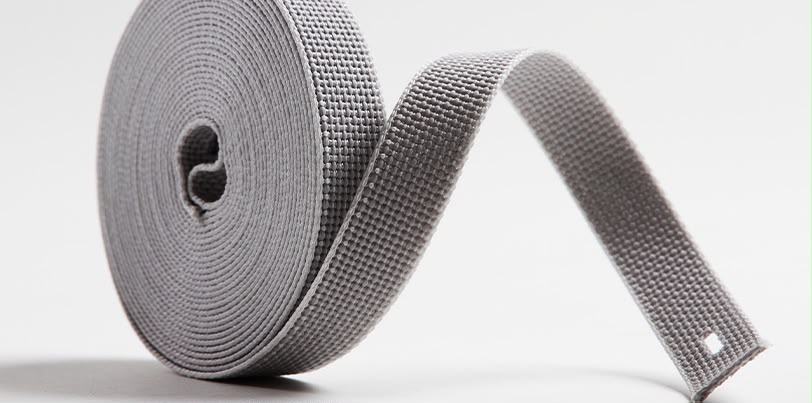
Our narrow woven webbings are produced using high-tenacity polyester, polypropylene, and nylon yarns. This ensures superior resistance to UV rays, abrasion, tearing, and heavy loads. Width, color, pattern, and strength can be fully customized according to customer requirements, making our products suitable for a wide range of applications.
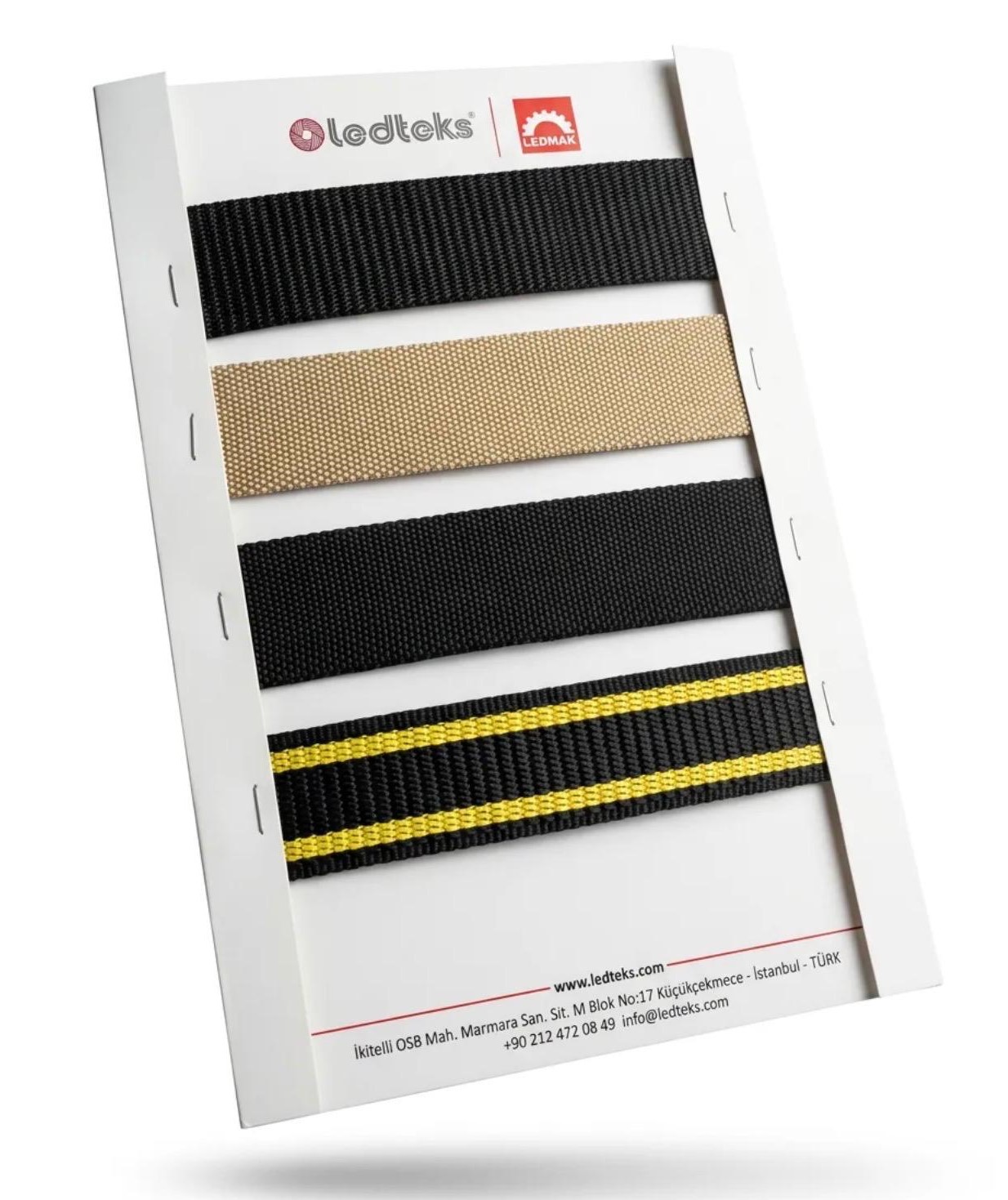
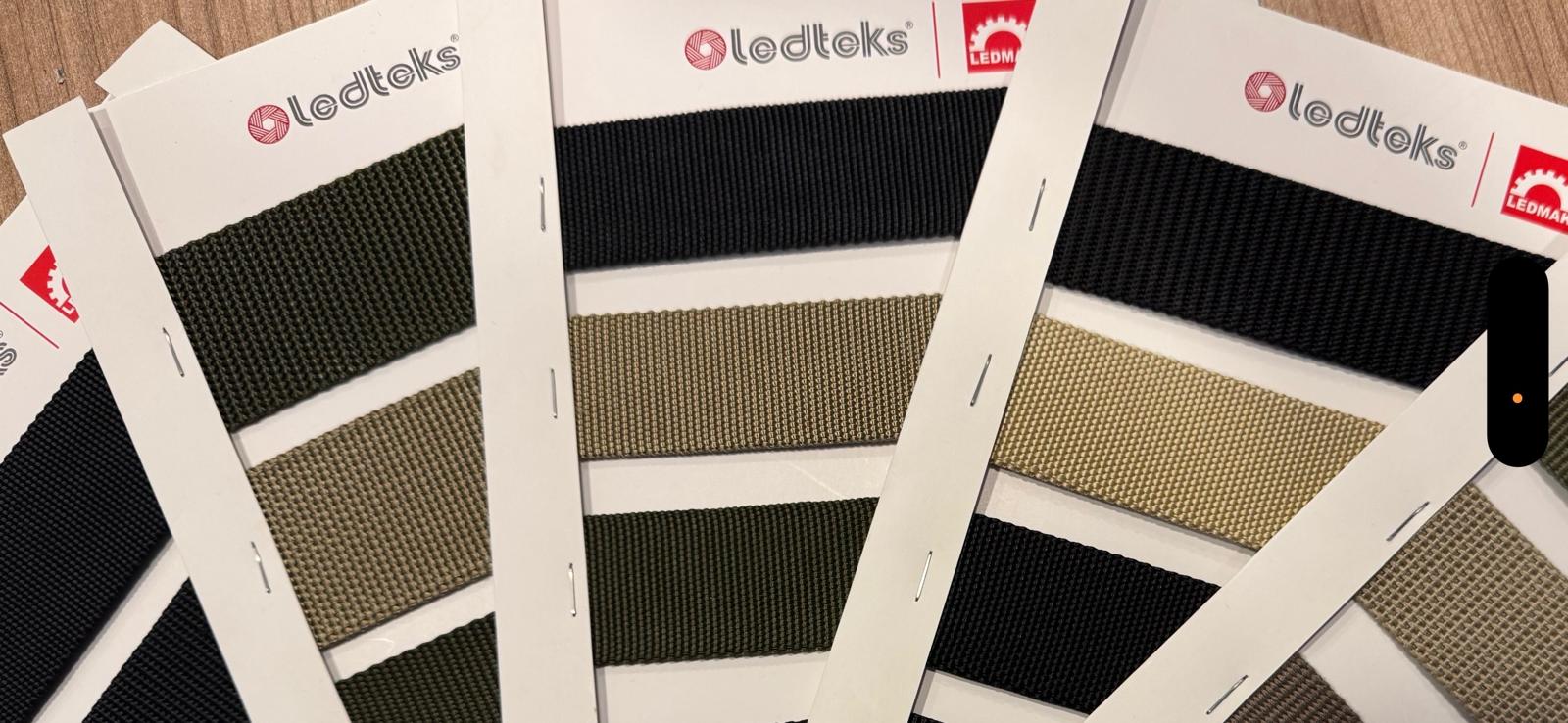
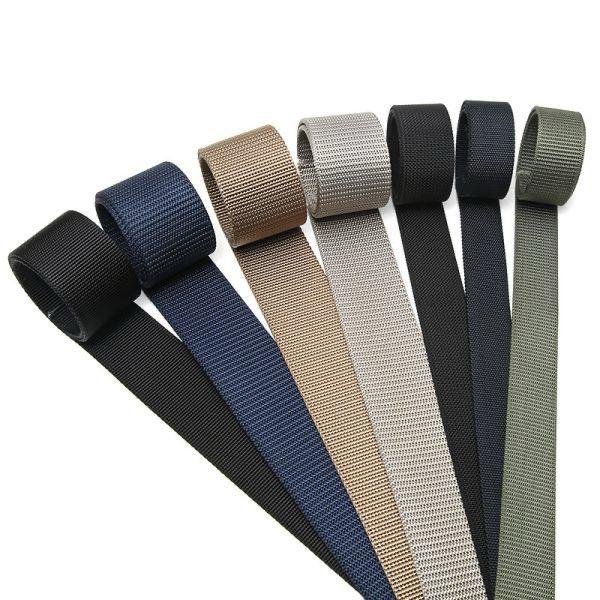
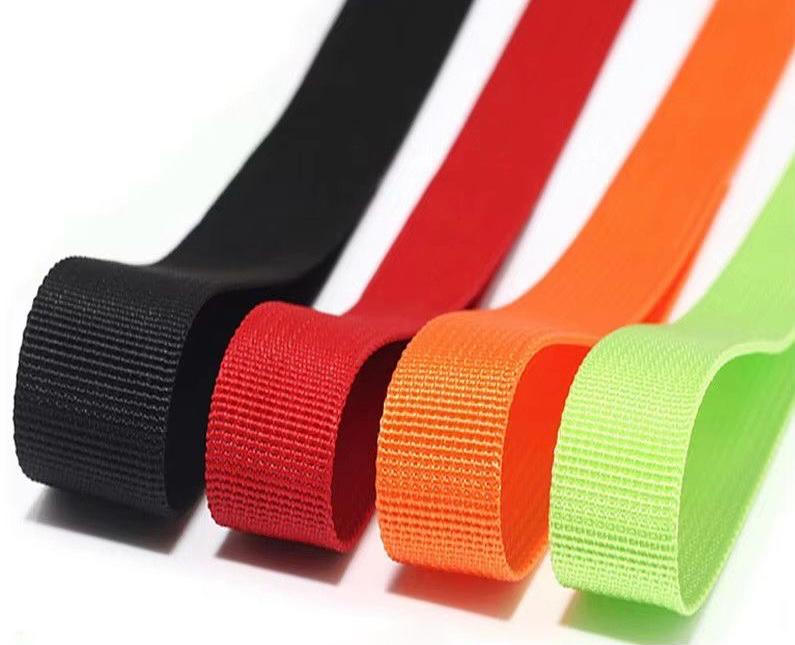
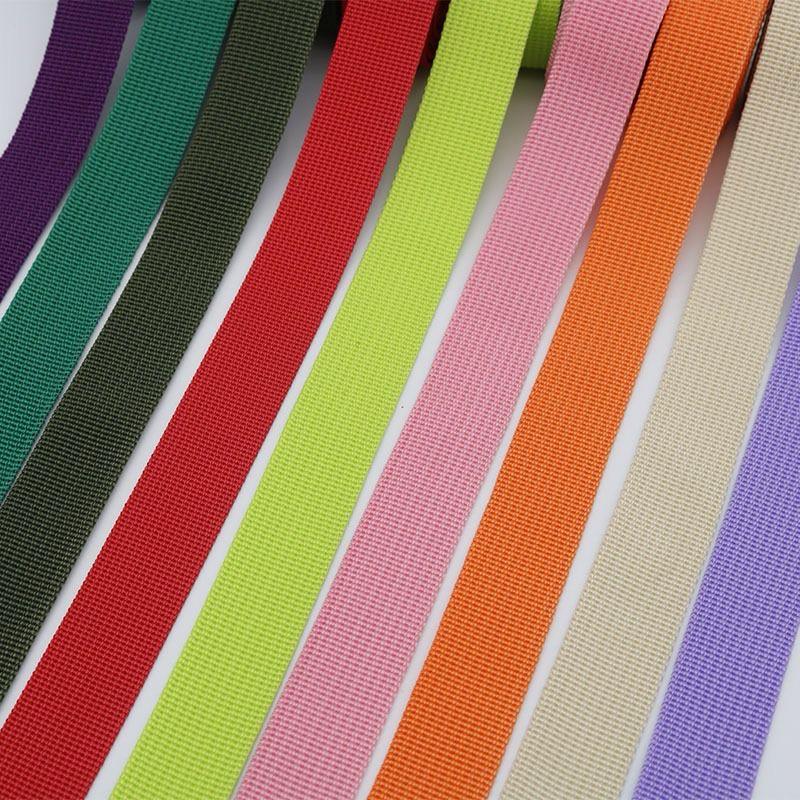
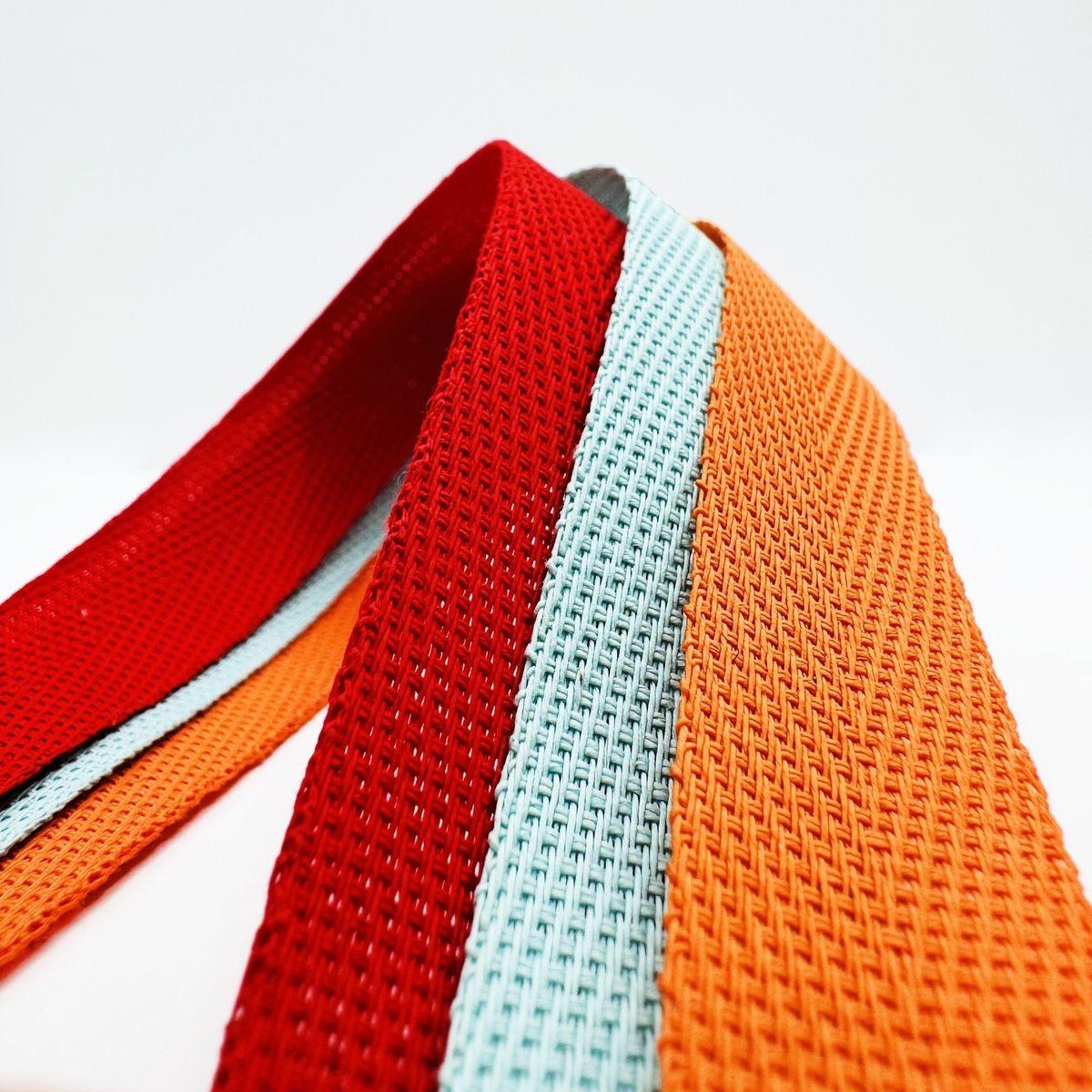


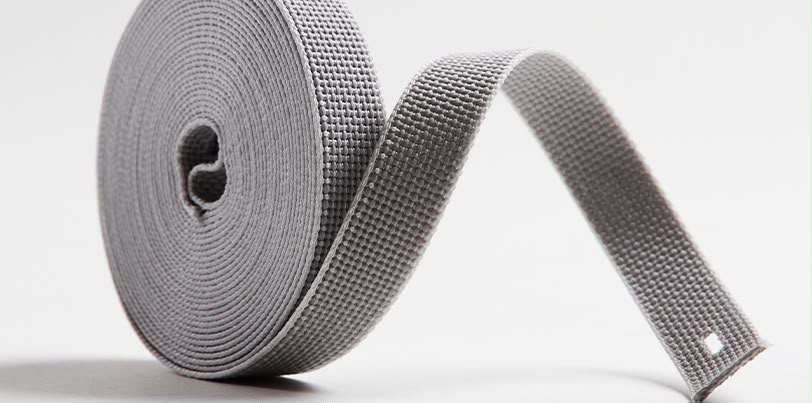
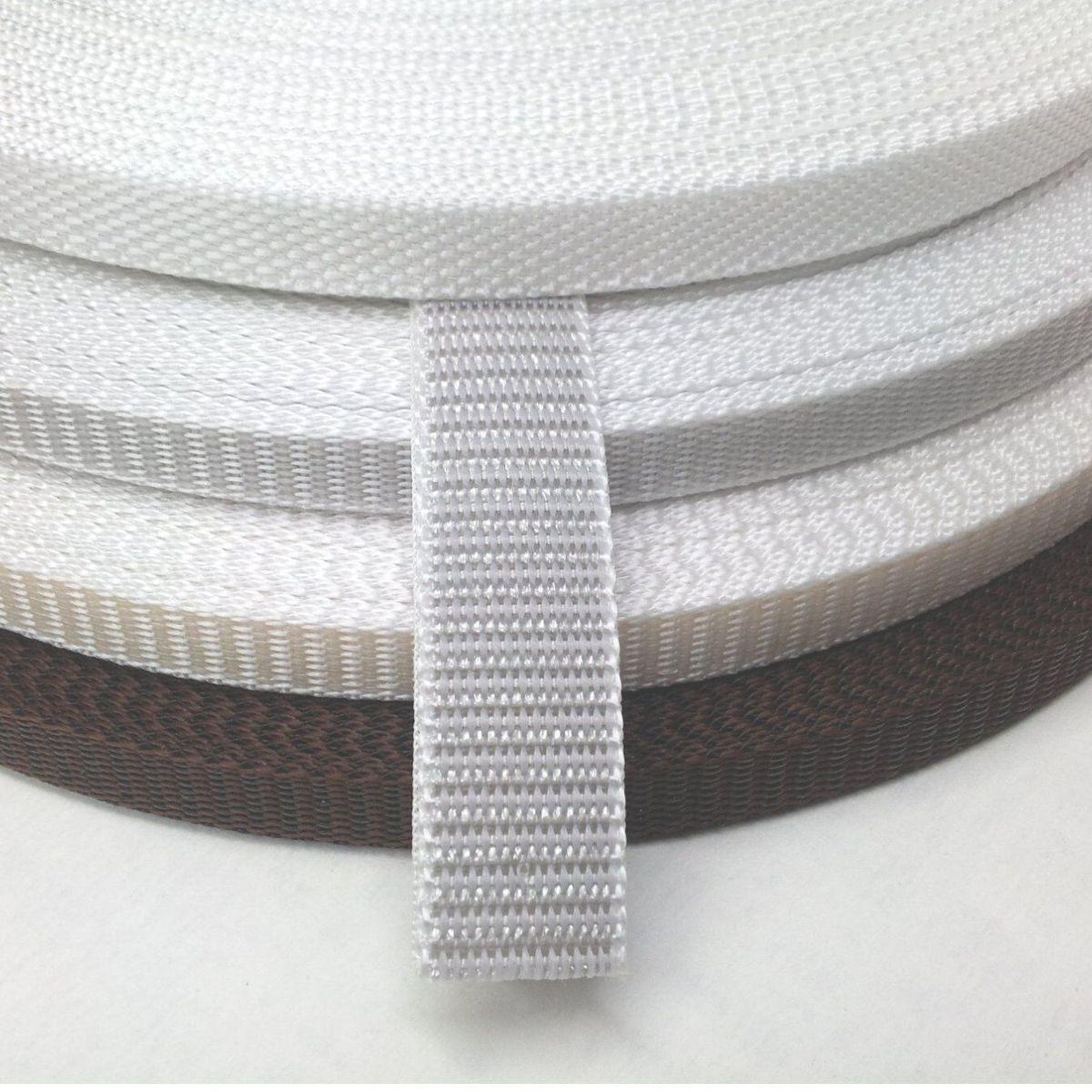
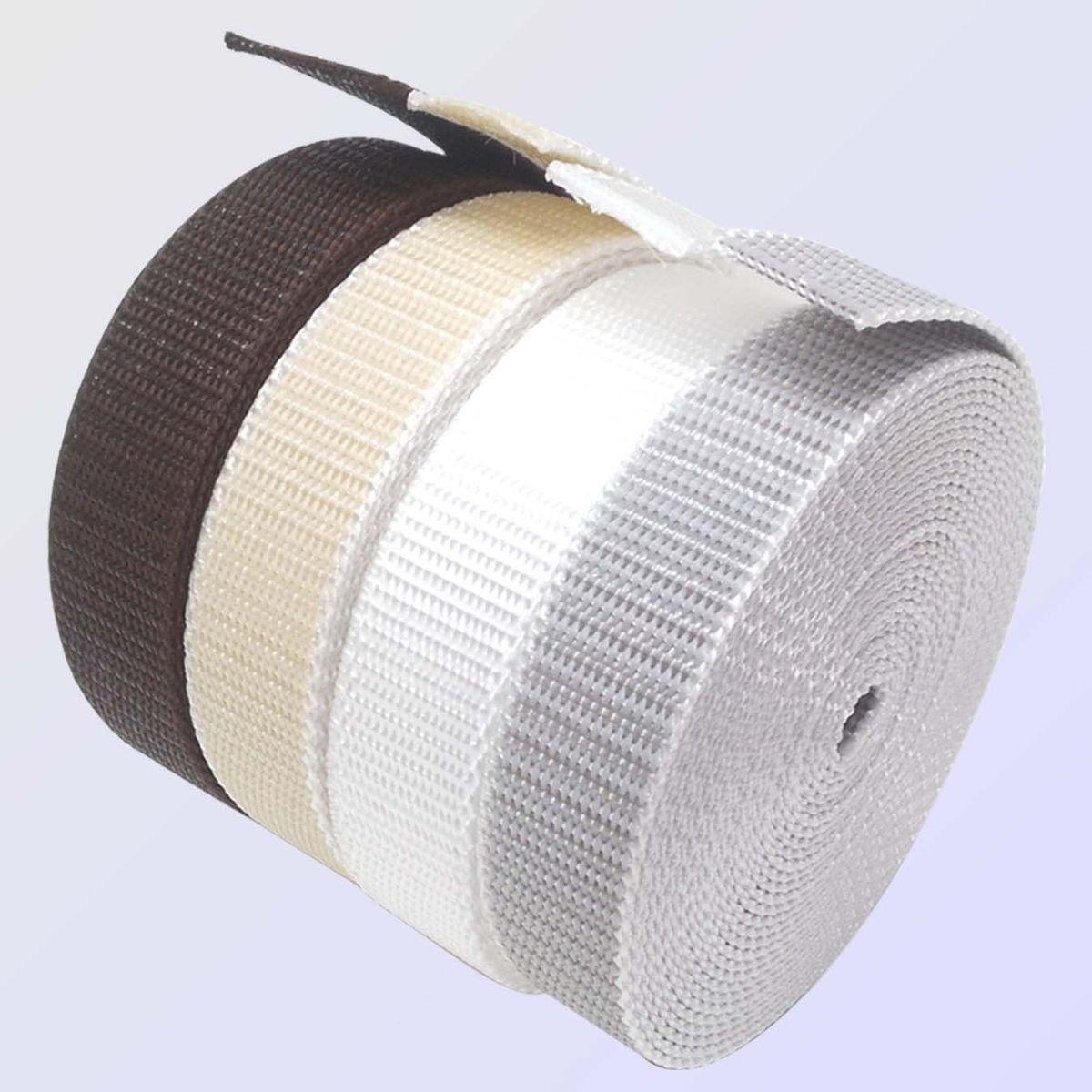
Ledteks manufactures narrow woven webbing to customer specification in high-tenacity polyester, polypropylene, nylon and cotton. Produced on narrow weaving looms in widths from 8 mm to 15 cm, our webbing provides resistance to UV exposure, abrasion, tearing and sustained load. Width, weight, colour, weave pattern and breaking strength are defined by the application and manufactured to order.
Woven webbing is a narrow woven fabric in which warp yarns run along the length of the strip and weft yarns cross them on a loom built for narrow widths. The industry classifies fabrics up to approximately 15 cm as narrow woven. Above that width, production moves to conventional weaving machinery.
The defining structural feature is the edge. The weft reverses direction at both sides of the strip, closing the long edges during weaving. The webbing therefore holds its stated width, does not unravel lengthwise, and can be cut, sewn or heat-sealed without additional edge preparation.
This construction also separates woven webbing from braided and knitted alternatives. In a braid, load is carried by yarns that spiral around one another, so the strip narrows and extends under tension. In woven webbing, load is carried along the warp, producing the low and predictable elongation required in safety, lifting and restraint applications.
Woven webbing is specified wherever a product must carry, restrain or connect a load without adding bulk. Material, width and weave density vary by sector, as do the dimensional and strength tolerances the application will accept. As Ledteks, there are many product groups that we produce:
Four specification decisions determine the finished product. Each is considerably less expensive to resolve at the drawing stage than during assembly.
Projects normally begin with a sample. Our showroom holds over 1,000 reference samples of woven webbing, tape and elastic, and custom samples are produced against a technical drawing or a physical reference.
Once the specification is confirmed (colour, weight, raw material and pattern) or the sample is approved, the order enters the production line within one week. Delivery is completed within a maximum of two weeks, subject to order quantity.
Standard black webbing carries no minimum order quantity. For custom colours, patterns and constructions, the minimum is agreed with the customer before production begins.
Goods are packed as rolls of 10 to 200 metres or in boxes, labelled with length and weight. Deliveries within Istanbul are made by company vehicle. International orders ship by sea, air, road or express courier, selected according to volume and destination.
Ledteks has manufactured narrow woven fabrics since 1992 at its facility in Istanbul. More than 40 narrow weaving looms, together with knitting and finishing lines, produce an average of 5 million metres of webbing, tape and elastic per month. We export to more than 40 regions, with Europe representing the largest share.
Testing is carried out in our own laboratory and through contracted laboratories. The standard programme covers weaving analysis (raw material identification, warp-weft ratio, weight, pattern and colour), breaking and strength testing, colour fastness, reflectivity, flammability resistance, and flexibility and stiffness. Customer-specific tests are performed on request.
We hold ISO 45001, ISO 26000 and OEKO-TEX certification. OEKO-TEX STANDARD 100 tests against a list of more than 1,000 harmful substances, with limit values reviewed at least annually. Specifying certified webbing therefore reduces the compliance testing required downstream. Our full list is available on the certificates page.
Not every enquiry is a suitable fit. Very small one-off quantities in custom colours are rarely viable for either party, and we will say so at the quotation stage. Where a project does fit, the approved specification is held consistently across repeat production.
Submit a technical drawing, physical sample or written requirement and our team will respond with a production proposal.
 Türkçe